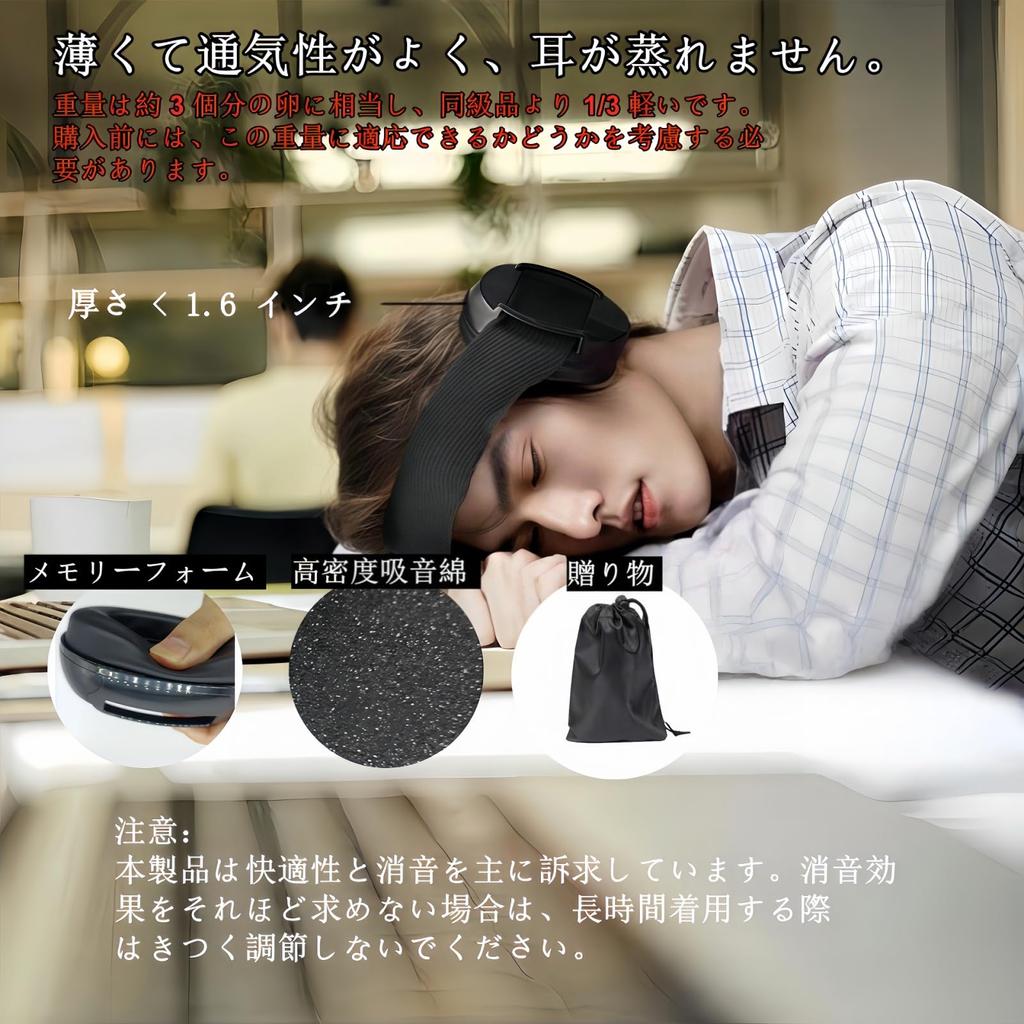
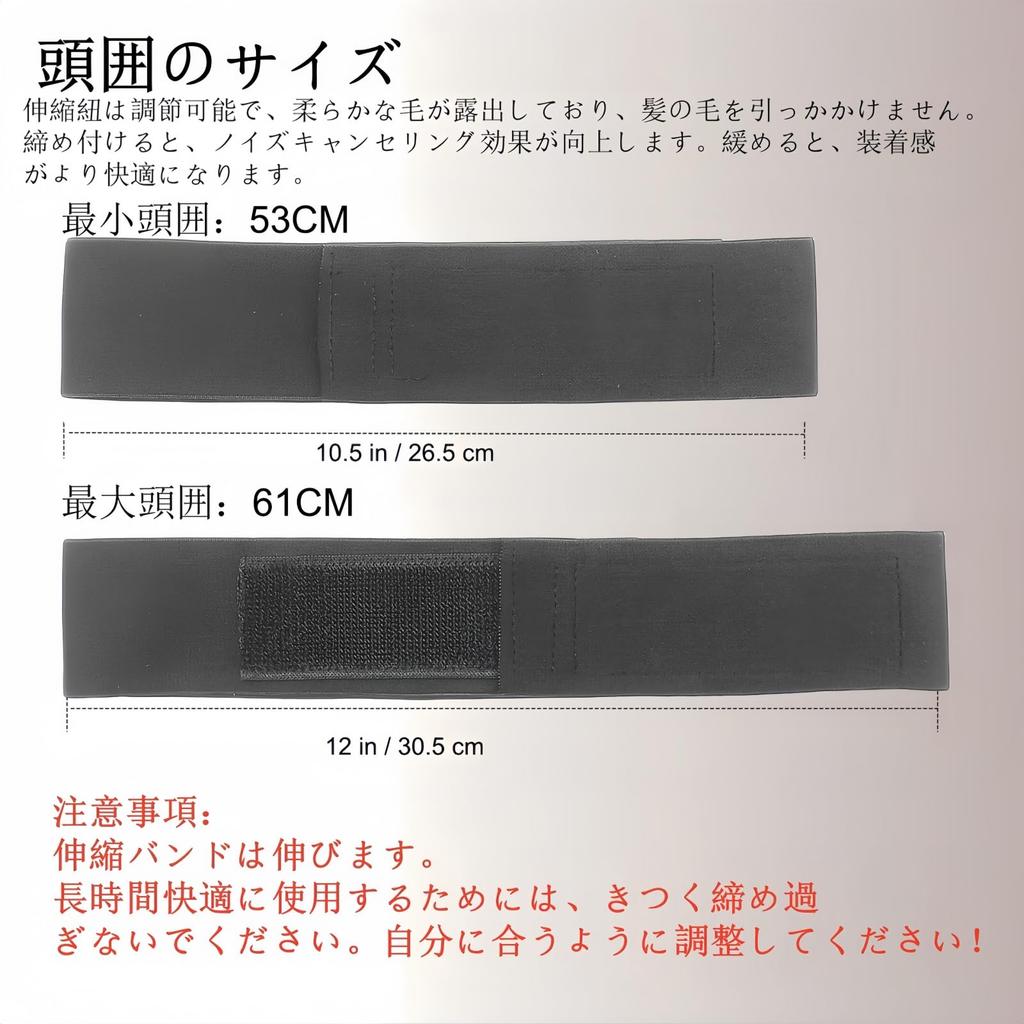
• Note: Please do not tighten it too tightly to avoid discomfort due to long-term wear. The headband is made of soft and flexible polyester fabric, which is durable, not easy to deform, and has a smooth texture and is comfortable to wear. Size can be adjusted with Velcro. The headband is made of silicone and has a non-slip design on the forehead area to prevent the headband from sliding down to the eye area while wearing.
• To enhance the noise reduction effect, we recommend using sponge earplugs, and using earmuffs and earplugs at the same time will greatly increase the noise reduction effect. It also comes with a storage pouch that is convenient to carry and prevents small debris from adhering to the earcups.
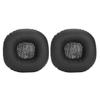
• There are two types of ear cushions that come into direct contact with your skin: sponge and silicone. The sponge ear cushions are the same as regular earmuffs, but the silicone ear cushions are more comfortable. Our earmuffs have air holes that balance the air pressure and prevent eardrum damage from the air pressure generated when wearing earmuffs. At the same time, this air hole also has a slight ventilation effect to prevent your ears from getting stuffy.
• This earmuff is designed with double layered high-density acoustic foam, which can effectively reduce low frequency noise, but cannot completely block out noise. The sound of the air conditioner, the sound of the fan, the sound of the keyboard. The sound of the TV in the living room and the voices of people talking. Neighbors' voices, noises and footsteps from upstairs and downstairs. Sounds of nearby cats, dogs, birds, and other animals. Road traffic noise, highway noise, construction site noise. sounds such as snoring.
• Our earmuffs are not as comfortable when sleeping on your side, but this can be improved to a limited extent when used with a very soft pillow. The human ear is particularly sensitive to human voices, so most noise-cancelling headphones do not provide significant noise reduction for human voices. People speak at around 40 to 60 decibels in normal conversation, and 60 to 90 decibels in deep conversations and discussions. Noise above 40 decibels disturbs comfortable sleep, while noise above 60 decibels causes more pronounced disturbances.







 Reembolso por não entrega