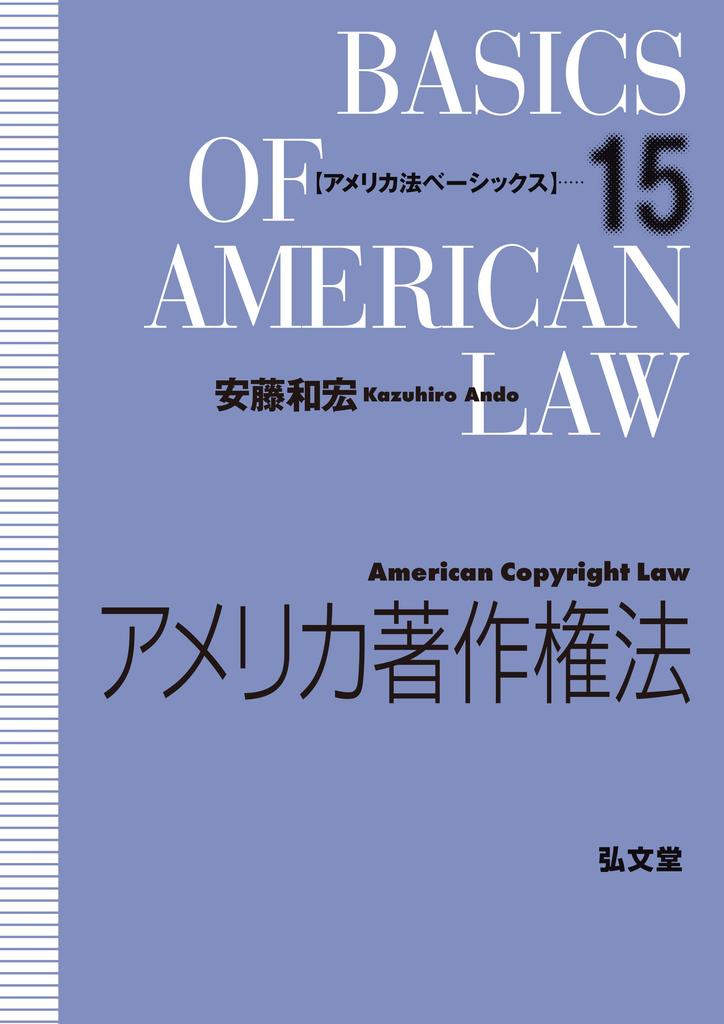
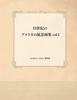
How does the world's leading entertainment nation promote creativity?
The United States boasts the world's largest market for film and music.
Even though it's also an entertainment powerhouse, the design and underlying principles of its copyright system, such as fair use, the right to terminate, and the right to prevent destruction, differ significantly from those of Japan.
The author, a seasoned practitioner supporting creators, describes its characteristics and appeal with vivid case law commentary.
This is the first comprehensive guide to gain a deeper understanding of the American copyright system!
Table of Contents
Chapter 1: An Introduction to American Copyright Law
I. The American Federal Judicial System: Jurisdiction of Copyright Issues in Federal Court
II. Historical Changes in Copyright Law: From the 1790 Act to the 1909 Act, and the 1976 Act
III. The Significance of the Copyright System: Justification for Copyright
Chapter 2: Copyright Protection Requirements and Registration System
I. What Kinds of Creative Works Are Copyrighted?: From Formality to Formality
II. Formal Requirements: The Benefits of the Marking System and the Registration System
III. Information Not Protected by Copyright Law: You'll Lose Out If You Don't Know
Chapter 3: Subject Matter of Copyright Protection
I. Literary Works: Creative Works Expressed in Language
II. Musical Works: Creative Works Expressed through Sound
III. Dramatic Works: Creative Works Expressed through Stories
IV. Pantomime and Dance Works: Creative Works Expressed through Physical Movement
V. Painting, Graphic, and Sculptural Works: The Enduring Challenge of Applied Art
VI. Films and Other Audiovisual Works: Creative Works Expressed Through Images
Ⅶ Sound Recordings: Protection of Sound
Ⅷ Architectural Works: The Last of the Kind
Ⅸ Edited Works: Creative Works Expressed Through Editing
Ⅹ Derivative Works: A Baby Turtle on the Back of a Mother Turtle
Chapter 4: Copyright Owner
I. Who is the Author of AI-Generated Works?: The Marker of Creative Contribution
II. Joint Works: Works Created by a Team
III. Works Made for Hire: Works Produced in Quantity Every Day
Chapter 5: Transfer of Rights and Unknown Uses
I. Transfer of Rights and the Registration System Determining the Merits of Transfers: Essential Knowledge to Avoid Being Scammed
II. How to Interpret Contracts Related to Transfer of Rights: Strict Interpretation Approach and Reasonable Interpretation Approach
III. Court Cases Regarding Contract Interpretation of Unknown Uses: Judges Concerned
IV. Strict Interpretation Approach or Reasonable Interpretation Approach?: Sole Use and Material Use
Chapter 6: Term of Protection
I. The protection period has lengthened due to repeated legal amendments: from registration date to issuance date, and now to death date.
II. Why did the 1976 law introduce the death date principle? - Explanation from the House of Representatives report.
III. The Sonny Bono Act extended Mickey Mouse's life: Save Mickey! -
IV Is the Sonny Bono Act Unconstitutional? - What Will the Supreme Court Say?
V "I Don't Know When the Author Died..." - A Presumption System for Those in This Situation
Chapter 7: Termination Rights System
I. Renewal System - Initial Protection Period + Renewal Period
II. Termination Rights System - Authors Need Two Chances to Reach a Contract
III. New Benefits of the Termination Rights System - Preventing Works from Being Left Unused
Chapter 8: Moral Rights
I. Protection of Visual Works of Art - A Unique American Legal System
II. Protection of Visual Works under VARA - Federal Moral Rights
III. Case Studies Concerning Works of Fame - Determining Artistic Value is Difficult
IV. The Future of the Anti-Destruction Right System - What Will Be the Fate of Destroyed Works?
Chapter 9: Exclusive Rights
I. Reproduction Rights - The Most Fundamental Right
II. Adaptation Rights - The Right to Prevent the Creation of Derivative Works
III. Distribution Rights - The Right to Control the Distribution of Copyrighted Works
IV Public Performance and Exhibition Rights: The Right to Prohibit Intangible Use of Copyrighted Works
V. Digital Audio Transmission Rights of Sound Recordings: A Child of the Network Era
Chapter 10: Fair Use
I. The History of Fair Use: Originating in Folsom v. Marsh in 1841
II. The Four Elements of Fair Use: The Factor Analysis Method
III. Major Fair Use Cases: A Plenty of Important Cases
IV. Should Fair Use Be Introduced into Japanese Law? The Debate Continues
Chapter 11: Limitations of Rights
I. Copyright Restrictions on Public Performance and Display
II. Secondary Transmission: A Service That Plays a Major Role in American Society
III. Restrictions on Temporary Fixation for Transmission
IV. Statutory Licensing System for Public Broadcasting
V. Jukebox Performances
VI. Compulsory Licensing System for Musical Recordings
VII. Copyright Restrictions on Sound Recordings
VIII. Copyright Restrictions on Paintings, Graphics, and Sculptural Works
IX. Restrictions on Architectural Works
X. Reproduction by Libraries and Archives
X. Reproduction and Adaptation of Computer Programs
X. Reproduction and Adaptation for Persons with Disabilities
Chapter 12: Performers' Rights and Protection
I. Contract Law Protection: Securing Legitimate Interests through Contracts
II. Labor Agreement Protection: Labor Unions, the Ally of the Weak
III. Federal Copyright Law Protection: The Formidable Enemy Known as Works Made for Hire
IV. Common Law Copyright Protection: Unfixed Works
V. Publicity Right Protection: A Powerful Weapon Given to Celebrities
VI. Lanham Act Protection: Protection from Misrepresentation
VII. Should Japan Aim to Establish and Expand American-Style Labor Agreements?
Chapter 13: Infringement and Remedies
I. Requirements for Claiming Copyright Infringement: What are the Conditions for Success?
II. Major Court Cases: It's Difficult to Determine Similarity
III. Civil Remedies: What Remedies Are Available to Rightsholders?
IV. Criminal Penalties: Imprisonment and Fines
Chapter 14: Indirect Infringement
I. Vicarious Liability - So-Called "Non-Competent Liability"
II. Contributory Infringement - If You Help an Infringer, You're an Infringer Too
III. Indirect Infringement Actions in Cyberspace: The Emergence of P2P Services
Chapter 15: DMCA
I. Limitations on Liability for OSPs: OSPs are in a Precarious Legal Position
II. Protection of Technological Measures: Is the DMCA Overly Protective?
III. Protection of Copyright Management Information: Its Significance and Prohibited Activities
Chapter 16: Intersection of Federal and State Law
I. Relationship between Federal and State Law: Federal Law Takes Precedence over State Law
II. The Right of Resale Granted to Artists of Artistic Works: A Remedy for Disadvantaged Artists
III. California's Right of Resale Law: The Only Right of Resale Law in the United States
IV. The Relationship between the California Right of Resale Law and the Interstate Commerce Clause: Further Challenges Continue
V. The Future of the California Right of Resale Law: Life or Death?





![[Expanded and Revised Edition] Living Through American Slavery: The Autobiography of Frederick Douglass](https://img.joomcdn.net/04d4c5484de31c90e6a05380d04352e5cae2cd02_68_100.jpeg)